When Wisdom Teeth Removal Becomes an Emergency
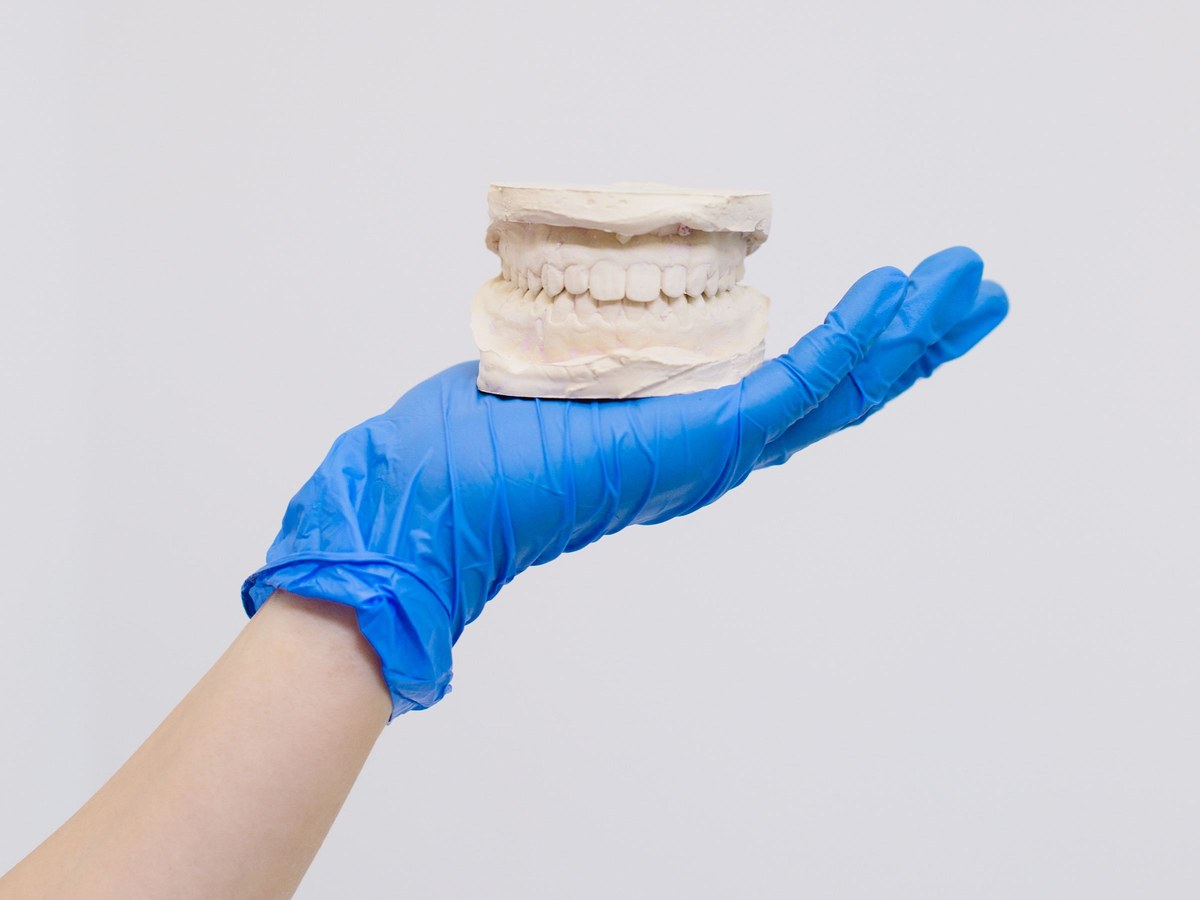
Most wisdom teeth come out on a planned basis. A patient notices crowding, a dentist sees an impacted molar on an X-ray, a date gets scheduled, and the procedure happens under controlled conditions. That is the version people tend to picture when they hear the phrase Wisdom Teeth Removal. Clean timeline, manageable recovery, little drama.
Emergency removal is different. It usually starts with swelling that changes by the hour, pain that stops responding to ordinary measures, or a sudden problem that affects swallowing, opening the mouth, or sleeping. Sometimes the issue has been brewing quietly for months. Sometimes it erupts over a weekend, on a holiday, or the night before travel. What makes it an emergency is not simply that the tooth hurts. It is that the surrounding tissues, bone, and airway can become involved, and the usual margin for waiting starts to disappear.
That distinction matters. A sore wisdom tooth can be urgent without being dangerous. An infected lower third molar with rapidly expanding facial swelling can become dangerous very quickly. Knowing the difference helps people seek care at the right time, and it also helps them avoid the opposite mistake, which is either panicking over a manageable flare-up or minimizing symptoms that need prompt attention.
Why wisdom teeth create emergency situations so often
Wisdom teeth, or third molars, tend to erupt late and often do so into limited space. By the time they try to come in, the jaw may not have room for a normal path of eruption. The tooth may stay trapped under gum and bone, emerge only partially, or tilt into the tooth in front of it. That anatomy sets up several common problems.
A partially erupted wisdom tooth creates a flap of gum tissue where food debris and bacteria collect. Dentists call the resulting inflammation pericoronitis. In mild cases, it feels like localized soreness behind the last molar. In severe cases, it becomes an angry, swollen infection with foul taste, pus, restricted opening, and pain radiating into the ear or jaw. Lower wisdom teeth are especially notorious for this.
An impacted tooth can also create pressure against the second molar, contribute to decay in a hard-to-clean area, or become associated with a cyst. Those issues are often discovered on routine imaging and dealt with electively. But when bacterial contamination breaks through and the body reacts aggressively, the situation can move out of the routine category.
I have seen patients go from “I thought it was just teething pain” to obvious facial asymmetry in less than two days. That is not rare. The back of the mouth is an area people cannot see easily, and early symptoms are easy to rationalize away. By the time a person realizes the swelling is significant, they may also be dehydrated, sleep deprived, and unable to chew.
Pain alone is not the whole story
Many painful wisdom teeth do not require same-day extraction. Pain matters, but clinicians look at function and spread. Can the patient swallow fluids? Can they open more than a finger or two? Is the swelling confined to the gum, or is it extending into the cheek, under the jaw, or toward the throat? Wisdom Teeth Removal Oxnard Dentistry Is there fever? Are there enlarged, tender lymph nodes? Has the pain become diffuse, throbbing, and constant rather than triggered mainly by chewing?
The body often telegraphs when a local dental problem is becoming a broader infection. A person may feel “sick” in a way that goes beyond a bad toothache. They may report chills, fatigue, bad breath that worsens abruptly, or a sense of pressure under the angle of the jaw. Some describe it as feeling like the whole side of the face is tight.
Emergency Wisdom Teeth Removal is not always performed immediately at the first visit. That surprises people. If there is severe infection, a surgeon may first focus on controlling the acute phase with drainage, cleaning the area, medication when indicated, and close follow-up. In other situations, removing the tooth during the acute episode is the best way to eliminate the source. Judgment depends on the patient’s airway, swelling pattern, medical history, imaging, and whether adequate anesthesia and access are possible.
The signs that should never be ignored
The most important red flags are the ones that suggest the infection is spreading or that basic functions are being compromised. These deserve prompt evaluation, often the same day.
- swelling that is visibly increasing over hours, especially in the cheek, jawline, or floor of the mouth
- trouble swallowing saliva or fluids
- difficulty opening the mouth, speaking clearly, or breathing comfortably
- fever, chills, or a generally ill feeling with worsening dental pain
- pus drainage, bad taste, or severe pain around a partially erupted wisdom tooth
A person does not need every sign on that list to warrant urgent care. One or two can be enough. Trouble swallowing and floor-of-mouth swelling are especially concerning because infections in that area can spread into deeper facial spaces. That is where dentists and oral surgeons become much less relaxed about waiting.
When the emergency is the infection, not the extraction
A common misunderstanding is that “emergency wisdom tooth removal” always means the tooth must come out immediately, that day, no matter what. The emergency is often the condition around the tooth. The procedure itself is only one part of treatment.
Take a lower wisdom tooth with severe pericoronitis, for example. The gum flap around the tooth may be inflamed to the point that the patient can barely tolerate touching it. The jaw muscles may be in spasm, a condition called trismus, which limits how wide the mouth opens. If access is poor and anesthesia cannot be delivered effectively because of the acute inflammation, attempting a difficult extraction at that moment may create more trauma than benefit. In that setting, the safer path may be to reduce the infection burden first, then remove the tooth once the tissues settle enough for a controlled procedure.
On the other hand, if the source is clear, access is reasonable, and the patient can tolerate treatment, removing the tooth promptly may stop the cycle before it worsens. This is where experience matters. The best clinicians are not following a rigid script. They are balancing urgency against safety and technical feasibility.
Typical scenarios that turn routine care into urgent care
One familiar pattern is the college student or young adult who has known for a year or two that the wisdom teeth should “probably come out at some point.” There may have been occasional tenderness, food trapping, or a recommendation from a general dentist after panoramic imaging. Life gets busy, symptoms stay intermittent, and the extraction keeps getting deferred. Then one upper respiratory illness, one week of poor sleep, or one period of heavy stress seems to lower the body’s resilience, and the wisdom tooth area flares hard.
Another common scenario involves travel. Cabin pressure does not cause wisdom tooth infections, but dry mouth, schedule disruption, and delayed care can make an existing problem spiral. I have heard versions of the same story many times: mild discomfort before a trip, escalating pain halfway through it, then a frantic search for emergency dental care in an unfamiliar city.
There is also the parent of a teenager who assumes all late jaw pain is “normal wisdom teeth coming in.” Sometimes it is. Sometimes it is a partially erupted lower third molar collecting bacteria under an operculum, the gum flap over the tooth. A soft diet and rinsing Wisdom Teeth Removal may buy time briefly, but if the area becomes swollen and the teen starts refusing food or waking with throbbing pain, the situation deserves a real examination.
Less obvious cases involve decay. Impacted or angled wisdom teeth can trap plaque against the back side of the second molar. Patients may feel pain near the wisdom tooth, but the more serious damage is actually on the neighboring tooth. If infection reaches the nerve or gum support of the second molar, the cost of delay rises sharply. What began as “just get the wisdom teeth checked” can become a more urgent effort to save the healthy tooth in front.
How dentists and oral surgeons decide what happens next
The first step is a focused clinical assessment. The mouth is examined for swelling, drainage, gum inflammation, and degree of opening. The neck and face are assessed for asymmetry, firmness, tenderness, and spread beyond the immediate tooth area. Temperature, medical history, medication use, and immune status matter. Diabetes, steroid use, chemotherapy, pregnancy, and certain autoimmune conditions can change how aggressively an infection is managed.
Imaging, usually a panoramic radiograph and sometimes a three-dimensional scan, helps answer practical questions. Is the tooth partially erupted or fully impacted? How close are the roots to the lower jaw nerve? Is there obvious decay, bone loss, or a cystic change? Is the infection mainly superficial around the gum, or does the anatomy suggest deeper involvement?
Timing of extraction depends on those findings, as well as logistics. An oral surgeon with the right anesthesia support, staff, and imaging may be able to treat a case immediately that another office would need to refer. That is not a difference in competence so much as scope and setup. Emergency dental decision-making often comes down to matching the patient’s condition with the safest available setting.
If there are signs of deep space infection, dehydration, or airway risk, the emergency department may become part of the picture. That can frustrate patients who expected a “simple dental fix,” but it is the right call when the problem extends beyond what an outpatient chair can safely handle.
Antibiotics help, but they do not make the tooth disappear
Many patients hope antibiotics will solve the issue completely. Sometimes they provide dramatic short-term relief, especially when swelling and pain are being driven by bacterial infection. But antibiotics do not remove an impacted tooth, eliminate a gum flap that keeps trapping debris, or repair decay. They reduce bacterial load and help the body regain control. If the underlying cause remains, the problem commonly returns.
This is one of the most frequent patterns in urgent dental care. A patient receives antibiotics for a painful wisdom tooth, feels better within forty-eight to seventy-two hours, and then delays definitive treatment because the crisis seems over. Weeks or months later, the infection comes back, often worse than before. Repeated cycles also increase the odds of more resistant bacterial patterns and make the whole course feel drawn out and exhausting.
That does not mean antibiotics are overused in every emergency wisdom tooth case. Some situations benefit more from local treatment, drainage, irrigation, and removal of the source than from medication alone. The decision should reflect the presence of fever, facial swelling, systemic symptoms, spread of infection, and the patient’s overall health.
What an emergency removal actually feels like for the patient
The experience varies widely. If the patient arrives early in the course of a flare-up, with local pain and limited swelling, treatment may resemble a difficult but routine extraction visit. There is local anesthesia, possibly sedation depending on the setting, pressure during removal, and then standard postoperative instructions.
If the patient arrives with marked inflammation, the day tends to feel more complex. Numbing can be harder because infected tissues are acidic and less responsive to local anesthetic. The jaw may not open fully. Touching the area may hurt more than expected. Surgeons sometimes need to spend more time creating access or cleaning the infected pocket before proceeding. Patients who imagined a quick in-and-out appointment are often surprised by how draining the visit feels.
Recovery can also be different. Swelling may peak more dramatically. The first twenty-four to seventy-two hours can involve a mix of surgical soreness and the body settling down from the preexisting infection. That is one reason aftercare instructions matter so much. The patient is not recovering from a sterile, planned procedure alone. They are recovering from surgery layered onto an inflamed situation.
The practical first steps before you are seen
People often ask what to do in the hours before they can get into a dentist or oral surgeon’s office. The goal is not to cure the problem at home. The goal is to avoid making it worse and to keep the patient safe until definitive evaluation.
- call a dental office or oral surgeon early and describe swelling, fever, swallowing difficulty, and how fast symptoms are changing
- use medications only as directed on the label or by a clinician, and avoid stacking products with the same ingredients
- sip water often if swallowing is comfortable, because dehydration makes everything harder
- do not place aspirin directly on the gum or attempt to lance the area at home
- go to urgent medical care or an emergency department if breathing, swallowing, or mouth opening becomes difficult
Warm saltwater rinses can soothe some cases of pericoronitis, but they are supportive, not definitive. Ice on the outside of the face may help with comfort in early swelling. Smoking and vaping are particularly unhelpful during an active wisdom tooth infection. They dry tissues, impair healing, and add irritation to an already stressed area.
What raises the stakes in certain patients
Not every emergency wisdom tooth problem carries the same level of risk. A healthy twenty-year-old with localized gum swelling has a different risk profile from a sixty-year-old with poorly controlled diabetes, or from a patient taking medication that suppresses the immune system.
Pregnancy adds its own considerations. Dental infections still need proper care during pregnancy, and delaying treatment simply because someone is pregnant can be a mistake. The timing of imaging, anesthesia, and medication selection needs thoughtful coordination, but uncontrolled oral infection is not benign for the parent or the pregnancy.
Patients with a history of difficult extractions, bleeding disorders, or strong anxiety about dental care may also require more planning even in an urgent context. Anxiety is not a minor side note here. Someone in pain, with poor sleep and visible swelling, may feel panicked in the chair. The best urgent care teams account for that and communicate in a way that lowers the emotional temperature while staying clinically direct.
After the emergency passes, the real question is prevention
The hard part about emergency wisdom tooth problems is that they are often partly preventable. Not every impacted wisdom tooth needs removal, and not every third molar causes trouble. But once a lower wisdom tooth has had repeated inflammation, food trapping, or infection, the odds of a clean long-term coexistence are not great.
A careful discussion after recovery should cover more than “do we take it out or not.” It should include the position of the tooth, the health of the second molar, the patient’s age, the likelihood of recurrence, and the complexity of future extraction if treatment is delayed. Wisdom teeth are usually easier to remove before roots are fully mature and before surrounding bone becomes denser with age. That does not mean adults cannot have successful extractions later, they certainly can, but the equation changes over time.
The neighboring tooth deserves special attention. I have seen patients focus so much on the painful wisdom tooth that they overlook early decay or bone loss on the second molar, which is the tooth they actually need for lifelong chewing. Losing a wisdom tooth is usually manageable. Losing the second molar because the wisdom tooth sat against it for years is a much bigger problem.
A measured response is better than a delayed one
The phrase “emergency wisdom teeth removal” sounds dramatic, and sometimes it is. Yet many serious cases do not begin dramatically. They start with a dull ache while chewing, a gum flap that catches food, a bad taste at the back of the mouth, or mild swelling that comes and goes. Those are the windows when evaluation is easiest and treatment options are broadest.
The opposite is also true. A person with fever, worsening facial swelling, trouble swallowing, or rapidly increasing pain should not wait for the next convenient opening two weeks away. Dental infections in the wisdom tooth area can move faster than people expect, especially around lower third molars. The right response is prompt assessment, not guesswork.
Wisdom Teeth Removal becomes an emergency when the local problem stops behaving like a local problem. Once that line is crossed, speed matters, but so does judgment. The best outcomes usually come from early recognition, accurate triage, and treatment in the setting that matches the severity of the case. That may be a same-day dental visit, a surgeon’s office, or, in the more serious cases, a hospital-based evaluation. The key is not to confuse familiarity with harmlessness. Wisdom teeth are common. Emergency infections around them are common too. Neither should be taken lightly.
Oxnard Dentistry
1730 E Gonzales Rd, Oxnard, CA 93036, United States
+1 805-307-8731
FAQ About Wisdom Teeth Removal
How painful is it to remove a wisdom tooth?
Local anesthetic numbs the area during extraction. Pressure may still be noticeable; tell the dentist if you feel pain. Soreness and swelling afterward are common. Follow the pain-control instructions provided for your situation.
How long is recovery for wisdom teeth extractions?
Recovery varies with the tooth position and complexity of the extraction. Some people resume routine activities quickly, while others need several days of rest. Soreness, swelling and jaw stiffness can last up to two weeks. Follow your clinician's aftercare and activity advice.
What are the risks of wisdom tooth removal?
Possible complications include dry socket, infection, persistent bleeding and changes in sensation from nearby nerve injury. Your dentist or oral surgeon should explain your individual risks before treatment. Seek prompt dental advice for bleeding that will not stop, fever, or severe or worsening pain and swelling.